Barents Regional Council concludes more than three decades of regional cooperation
The Barents Regional Council held its final meeting on 18 September 2026, formally concluding the Council as a political structure. The member regions emphasized that while the existing structure is coming to an end, cooperation, relationships and dialogue across the North will continue.
Published 18.09.2026
Chair of the Barents Regional Council, Marianne Dobak Kvensjø. Photo: Høyre.
The final meeting of the Barents Regional Council (BRC) was held online on 18 September and lead by Marianne Dobak Kvensjø, Chair of the BRC and County Councillor of Nordland.
Opening the meeting, the Chair described it as a historic moment and expressed her appreciation to the regions, working groups, youth and Indigenous representatives, Secretariat staff and partners who have contributed to the Barents cooperation over more than three decades.
Since the signing of the Kirkenes Declaration in 1993, the Barents cooperation has provided a platform for cross-border dialogue, people-to-people contacts, economic cooperation and sustainable development across the North. The regional dimension has been an integral part of this cooperation from the beginning.
A coordinated conclusion of the BRC
Following discussions on the future of regional cooperation at the Euro-Arctic Assembly in Bodø in November 2025, the Regional Committee established a Task Force to assess the future of the Barents Regional Council and identify possible ways forward.
The process confirmed broad recognition that the existing BRC framework faced significant challenges, while also highlighting continued support for regional cooperation in the North.
Based on the Task Force's regional synthesis and recommendation, the member regions agreed to proceed with a coordinated withdrawal from the Barents Regional Council.
At the final meeting, the BRC formally acknowledged the withdrawal notifications submitted by Finnmark County Council, Troms County Council, Nordland County Council, the County Administrative Board of Norrbotten, the County Administrative Board of Västerbotten, and the Regional Council of North Ostrobothnia.
The coordinated withdrawal process was carried out in accordance with Article 22.1 of the BRC Terms of Reference, which provides for the right of individual member regions to withdraw from the cooperation.
With the withdrawal of all remaining member regions, the Barents Regional Council will cease to function as a political structure.
Continued focus on youth cooperation
Barents Regional Youth Council
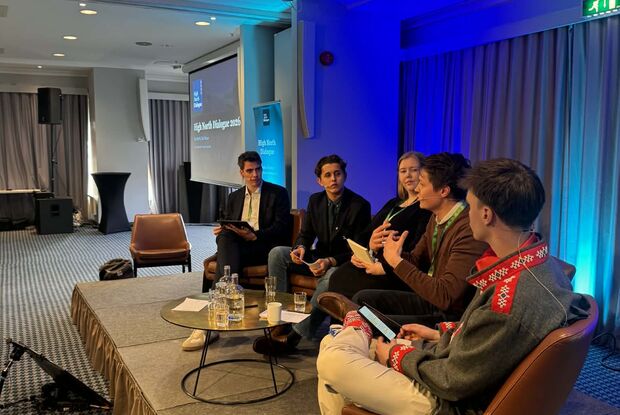
A part of the meeting was devoted to the future of youth cooperation in the North.
The BRC reaffirmed the importance of youth engagement and expressed its support for the continuation of planned activities and participation in the Barents Regional Youth Council (BRYC) throughout the remainder of 2026.
Over the years, BRYC has provided young people in the North with opportunities to meet, build networks and exchange experiences across borders. Initiatives such as Generation Barents have contributed to developing and maintaining these connections.
The BRC also approved a recommendation to BRYC concerning the implications of the discontinuation of the BRC. The recommendation clarifies that decisions concerning the future of BRYC remain within the competence of BRYC itself and encourages the youth council to review its statutes and consider any amendments that may be necessary following the conclusion of the BRC.
The regions also expressed their continued interest in dialogue on future forms of youth cooperation.
Looking towards new forms of cooperation
While the existing political structure is coming to an end, the regions highlighted that many common interests and challenges remain. Maintaining relationships, sharing knowledge and creating opportunities for practical cross-border cooperation will continue to be important.
The member regions agreed that future cooperation may take place through new formats and structures, reflecting the changing circumstances in the North.
One structure is coming to an end – but the relationships remain.
Marianne Dobak Kvensjø.
In her closing remarks, Chair Marianne Dobak Kvensjø thanked everyone who has contributed to the Barents cooperation throughout its history.
She acknowledged that there may be a period of uncertainty before new arrangements and structures emerge, while emphasizing the importance of maintaining contact and continuing dialogue.
The Chair highlighted trust, openness, youth engagement, Indigenous participation, multilevel governance and practical cooperation as important elements of the Barents experience that should be carried forward.
While structures and organizations may change, cooperation ultimately depends on people and the relationships between them.
Marianne Dobak Kvensjø.
The final meeting of the Barents Regional Council concluded more than three decades of formal regional political cooperation under the Barents framework. At the same time, the regions expressed their commitment to building on the relationships, experience and cooperation developed over the years as they look towards the future of the North.
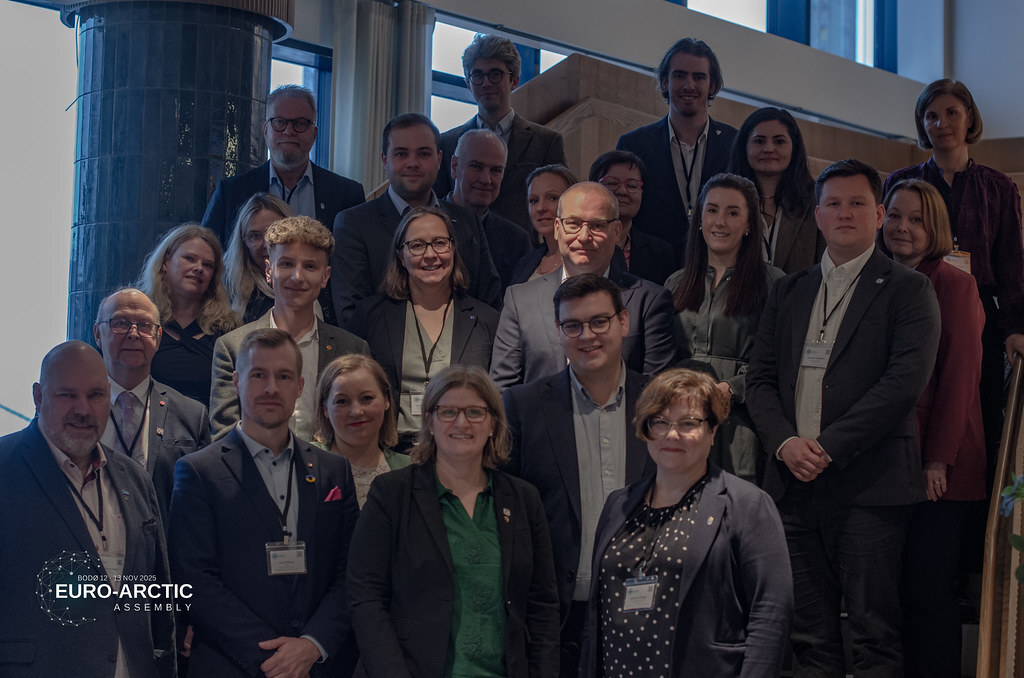
Members of the Barents Regional Council, the Barents Regional Committee, the Barents Regional Youth Council and the Committee of Senior Officials to the Barents Euro-Arctic Council.