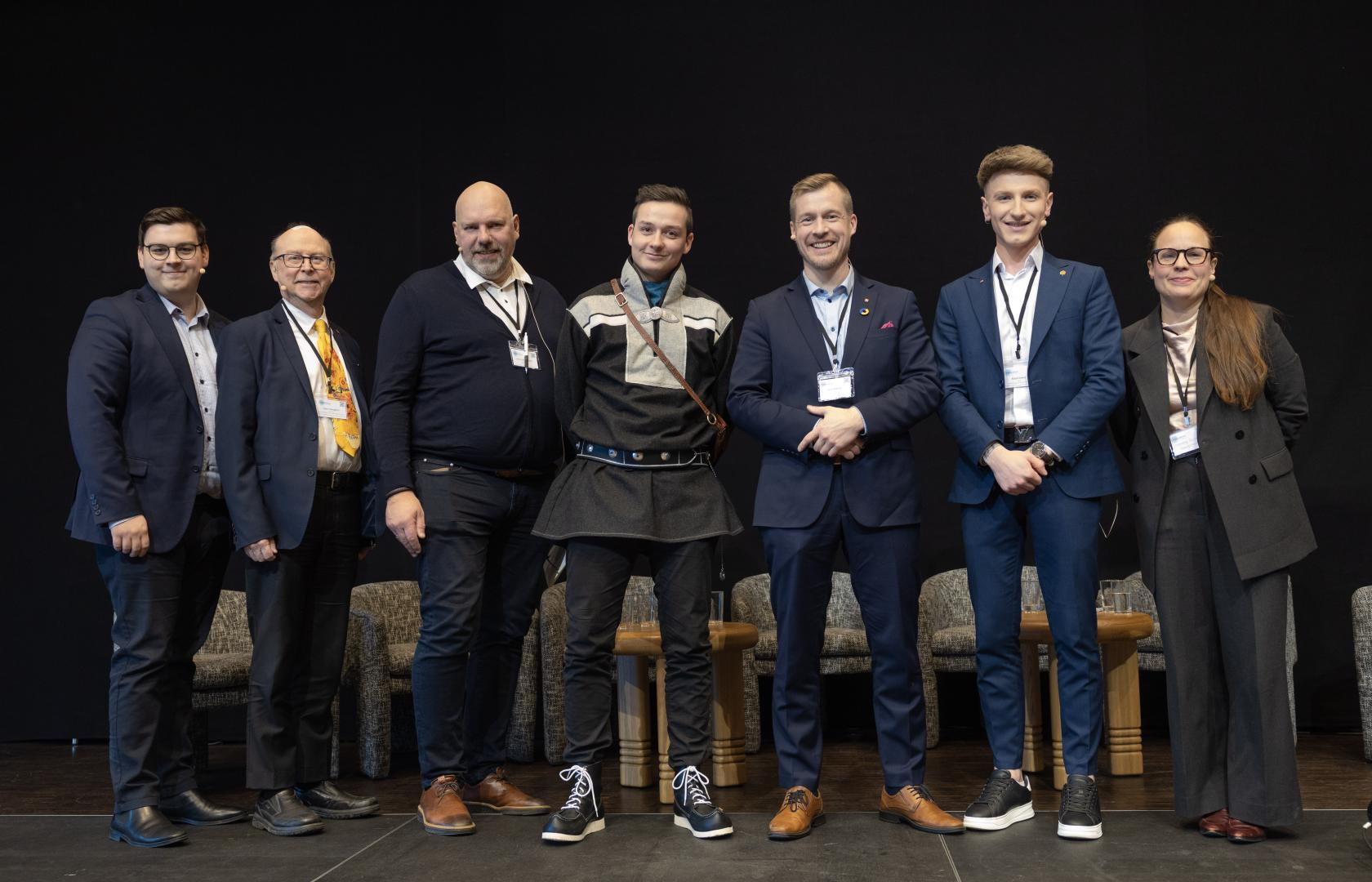
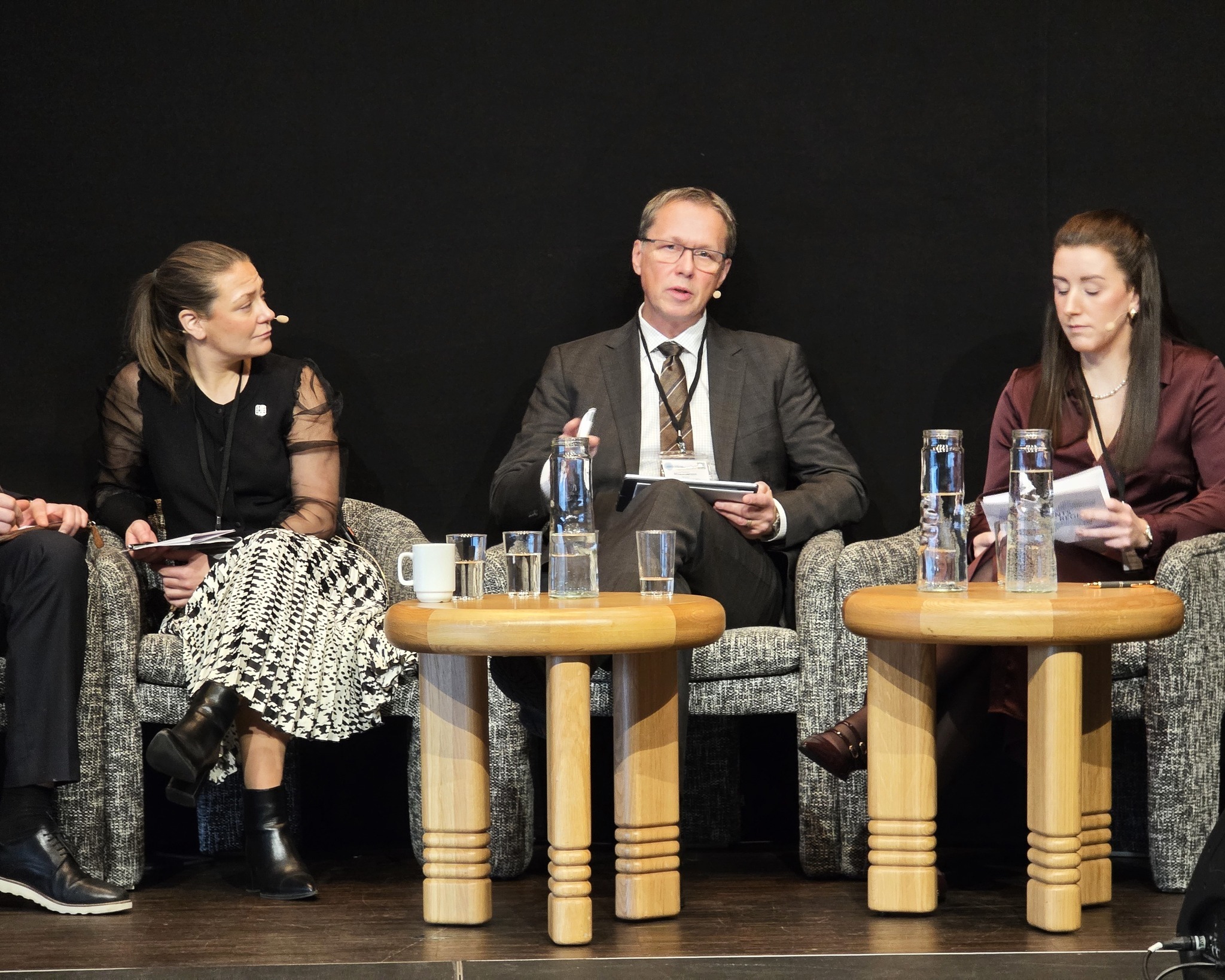
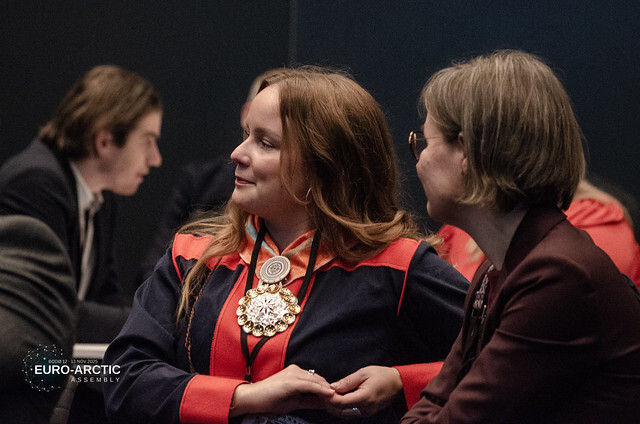
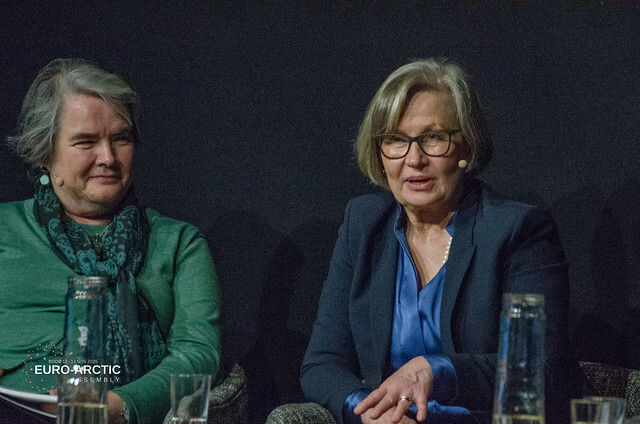
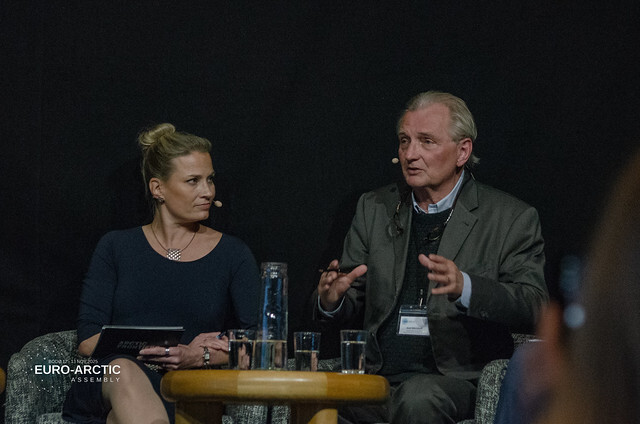
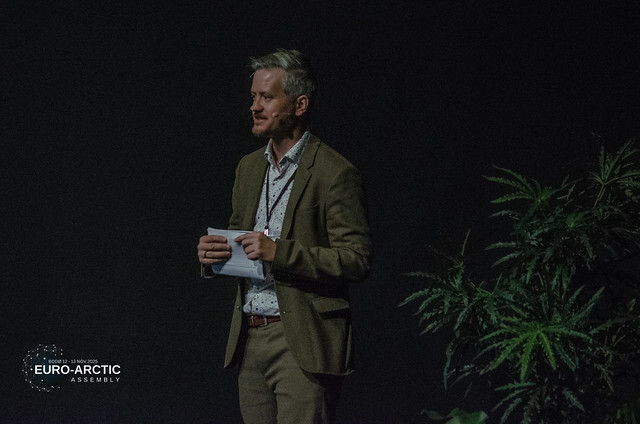
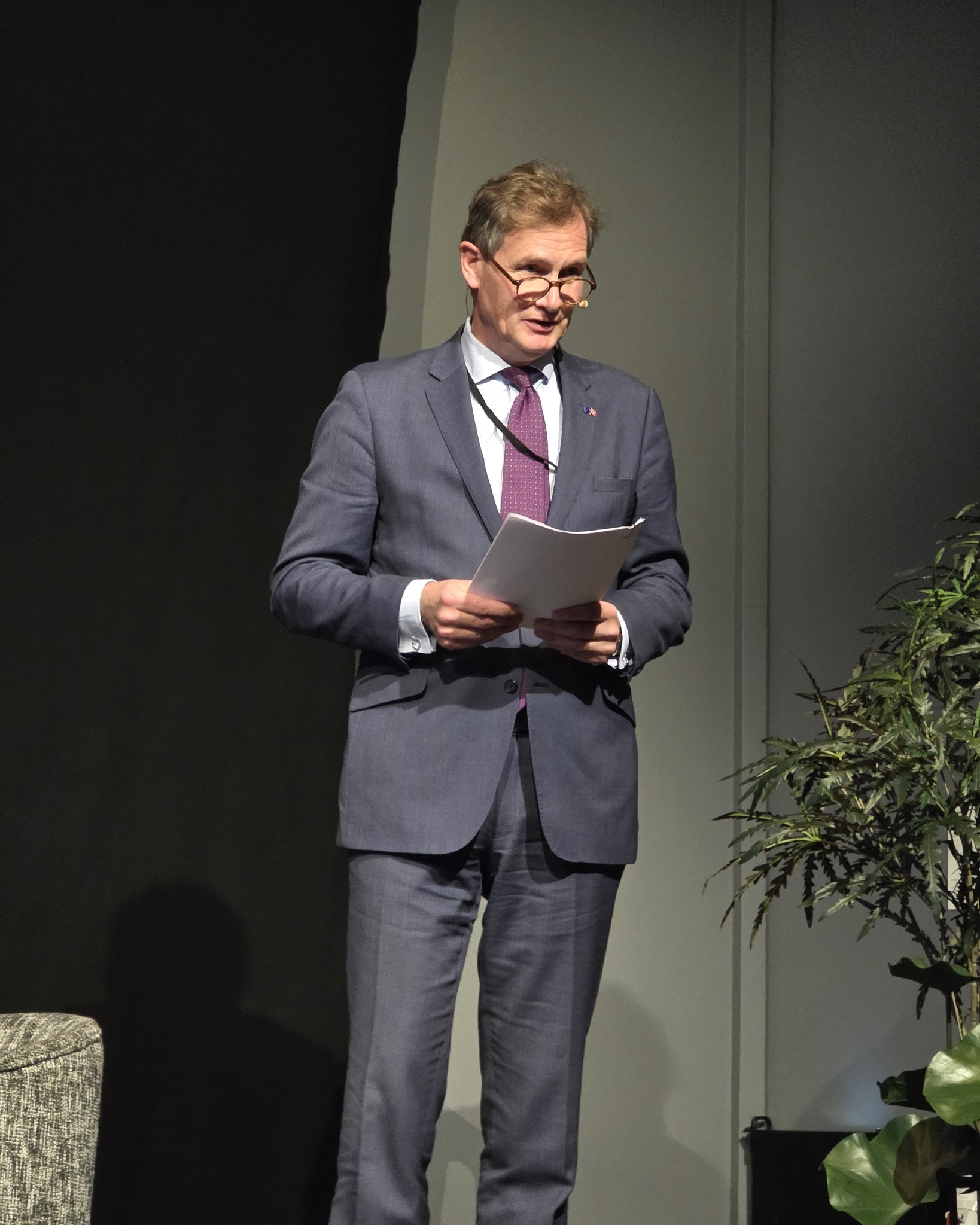
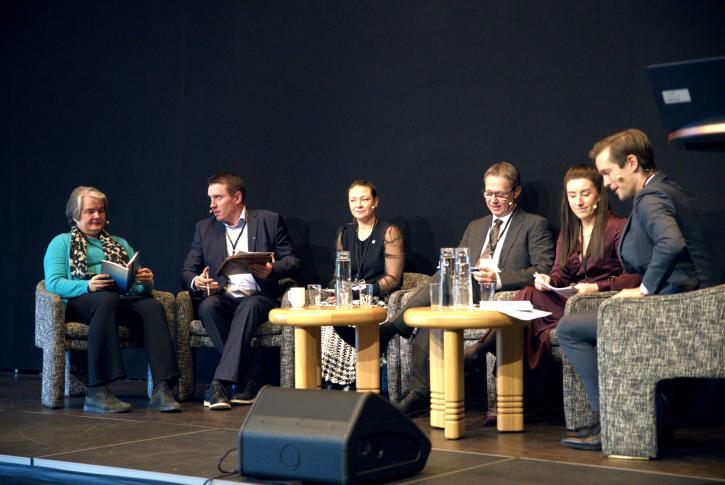
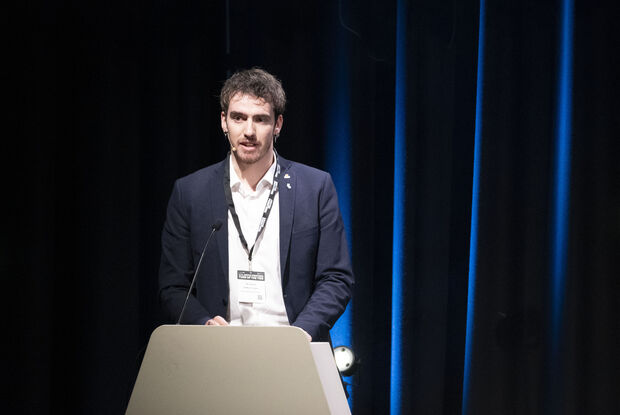
Leaders and experts from across the Euro-Arctic region gathered in Bodø for the first-ever Euro-Arctic Assembly, issuing a strong call for closer cooperation and greater support for regional and local actors in addressing growing security, climate, and demographic challenges in Northern Europe.
The Assembly brought together regional policymakers, national authorities, EU representatives and Nordic institutions, civil servants, businesses, and academic experts to discuss how Euro-Arctic cooperation can move “from reaction to action” in an era of geopolitical uncertainty and rapid change.
Participants agreed that the Euro-Arctic is entering a new strategic phase shaped by NATO enlargement, the long-term effects of the war in Ukraine, accelerating climate change, and persistent population decline. These developments place increased demands on civil preparedness, critical infrastructure protection, and cross-border coordination.
Regional actors at the centre of resilience
A key message from the Assembly was that regional and local authorities must be recognised as operational partners in national and EU resilience strategies. While cooperation frameworks already exist, participants noted that they remain too fragmented and overly dependent on short-term projects and political cycles.
“The Euro-Arctic has strong traditions of trust and cross-border cooperation,” the policy brief states, describing these networks as “Nordic Gold” that can strengthen Europe’s northern resilience if supported with predictable funding and clearer strategic alignment.
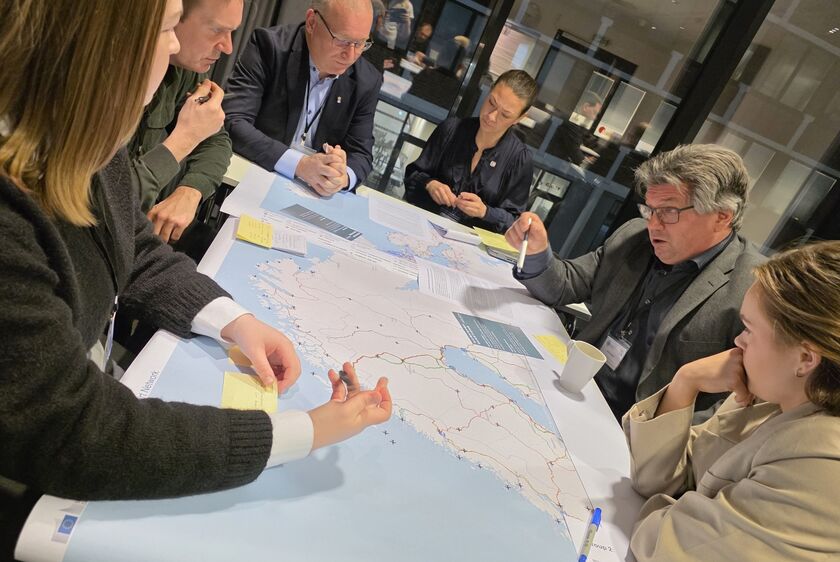
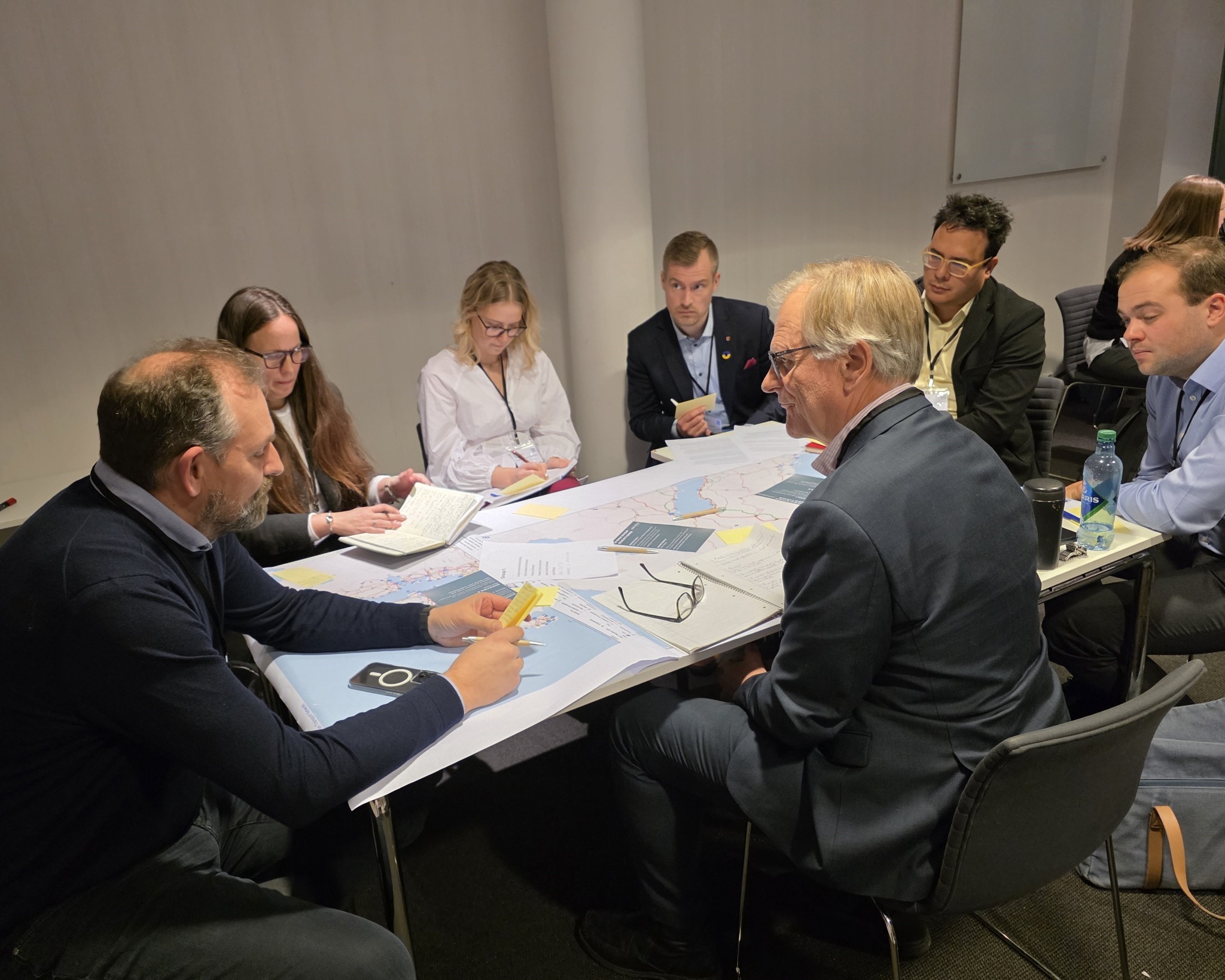
Workshops highlighted four priority areas: civil preparedness and emergency response, workforce and education, infrastructure and security of supply, and attractive and competitive local communities. Across all themes, demographic decline and workforce shortages were identified as critical bottlenecks limiting regional capacity to act.
Climate and security challenges intensifying
Discussions underlined that climate change is occurring up to four to five times faster in parts of the European Arctic than the global average. This affects transport, energy systems, emergency response, and everyday life in northern communities. Climate-related disruptions such as landslides, storms, icing patterns, and changing sea conditions are increasingly cross-border in nature, requiring coordinated preparedness and shared risk assessments.
At the same time, Finland and Sweden’s accession to NATO has reshaped the region’s security environment. Participants stressed that NATO’s Article 3 on societal resilience and civil preparedness must be translated into practical cooperation at the regional and local level.
Calls to national governments and the EU
The Assembly urged national governments to provide more predictable, long-term financing for cross-border cooperation and to strengthen administrative capacity in regional and local authorities. Structured arenas for regular dialogue between regional, national, and EU actors were also identified as essential for aligning priorities and investments.
EU institutions were encouraged to protect and adapt cross-border funding instruments to the specific conditions of the Euro-Arctic, including long distances, low population density, and higher costs. Participants also called for stronger focus on east–west connectivity, infrastructure, and mobility in transport, digital, and energy programmes.
Youth and Indigenous participation was highlighted as vital for legitimacy and long-term sustainability, and must be embedded structurally in cooperation frameworks.
From reaction to action
The Assembly concluded that the challenges facing the Euro-Arctic are long-term and cannot be solved through isolated national measures. Stronger multi-level and multi-national coordination is needed to turn shared policy goals into concrete action on the ground.
“Regional actors are ready to lead, but they cannot do it alone,” the policy brief concludes. With coherent frameworks, stable funding, and closer alignment between regional, national, and EU strategies, the Euro-Arctic can strengthen its role as a stable and forward-looking part of Europe in a time of geopolitical and environmental change.